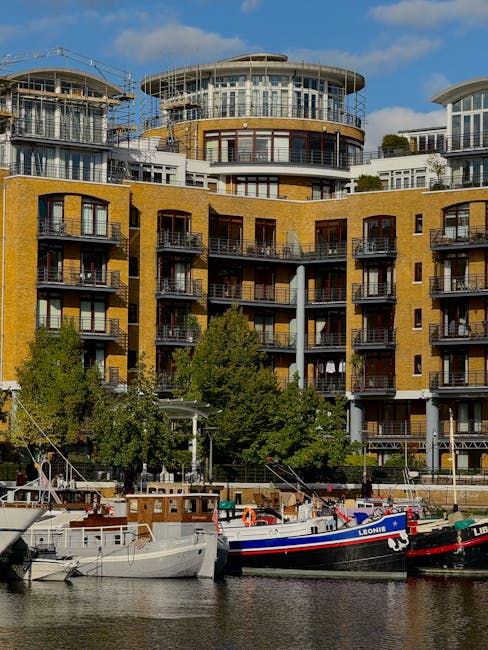
St Katharine Docks Garden Maintenance Tips for Riverside Terraces
Riverside terraces look effortless when they are done well. In reality, they are a bit of a balancing act. Salt-laced air, stronger wind, reflected heat from water and buildings, and the constant pressure to keep a compact outdoor space looking sharp all make maintenance more exacting than a typical back garden. That is why St Katharine Docks garden maintenance tips for riverside terraces need to be practical, seasonal, and suited to life beside the water.
If your terrace at St Katharine Docks is beginning to look tired, patchy, or simply too high-maintenance, you are not alone. Containers dry out faster. Leaves blow around. Hard surfaces pick up grime quicker than you would expect. And with many terraces acting as a second living room, the standard for presentation is high. This guide breaks down how to keep a riverside terrace healthy, neat, and genuinely enjoyable without turning every weekend into a gardening shift. You will find clear steps, useful plant choices, common mistakes, and a realistic maintenance rhythm that works in a London setting.
Table of Contents
- Why St Katharine Docks garden maintenance tips for riverside terraces Matters
- How St Katharine Docks garden maintenance tips for riverside terraces Works
- Key Benefits and Practical Advantages
- Who This Is For and When It Makes Sense
- Step-by-Step Guidance
- Expert Tips for Better Results
- Common Mistakes to Avoid
- Tools, Resources and Recommendations
- Law, Compliance, Standards, or Best Practice
- Options, Methods, or Comparison Table
- Case Study or Real-World Example
- Practical Checklist
- Conclusion
- Frequently Asked Questions
Why St Katharine Docks Garden Maintenance Tips for Riverside Terraces Matters
St Katharine Docks has a very particular feel: polished, busy, sheltered in some corners and surprisingly exposed in others. A terrace here can be beautiful all year, but it faces conditions that quickly reveal poor upkeep. Wind can tear at soft growth. Rain can leave stains and algae on paving. Containers may become root-bound faster than expected. And if you have glass balustrades, timber decking, or porcelain paving, every mark seems to show up in daylight. Annoying, yes, but manageable.
Maintenance matters because a terrace is not just decorative. It protects your investment, keeps the space usable, and helps planting stay alive through the more awkward stretches of the year. In practice, a tidy, well-planned terrace feels calmer to use. It also tends to last longer. That is especially true in a riverside location where moisture, shade, and gusts can all influence what survives and what sulks.
There is also the simple truth that a terrace near the water can go from elegant to scruffy very quickly. One windy afternoon and you have twigs in the planters, leaves under furniture, and a layer of dirt on the surface. The good news? Most of this is preventable with a steady routine rather than heroic effort.
How St Katharine Docks Garden Maintenance Tips for Riverside Terraces Works
The core idea is straightforward: design the terrace so it can handle exposure, then maintain it in small, regular bursts. That means treating every part of the space as a system. The plants, pots, drainage, surfaces, furniture, screening, and lighting all affect each other. Miss one part and the whole terrace starts to feel harder to manage.
For riverside terraces, maintenance usually works best in four layers:
- Surface care - sweeping, washing, and preventing slippery build-up.
- Plant care - choosing wind-tolerant, container-friendly plants and watering them properly.
- Structure care - checking balustrades, raised beds, trellises, decking, and screens.
- Seasonal care - adapting to winter cold, summer drying, and windy spells.
That approach gives you control. Instead of reacting when a terrace looks rough, you build a maintenance routine that keeps it looking intentional. If you have ever seen a planter collapse in the wind on a grey Wednesday morning, you will know exactly why this matters.
For planting inspiration, many terrace owners also benefit from reading about container gardening and modern eco-friendly vertical gardening techniques, because both styles suit compact riverside spaces and make maintenance more controlled.
Key Benefits and Practical Advantages
Good terrace maintenance gives you more than a neat look. It changes how the space feels and how often you actually use it. A well-kept riverside terrace invites you outside in the morning with coffee, or in the evening when the light softens across the water. A neglected one gets avoided. That is usually how it goes.
- Better plant survival: Plants that are matched to the conditions need less rescue work.
- Cleaner hard landscaping: Regular cleaning reduces staining, algae, and leaf build-up.
- Safer footing: Less moss and surface grime means fewer slip risks.
- More privacy and comfort: Smart screening makes a terrace feel like a proper retreat.
- Lower long-term effort: Small, regular tasks prevent big catch-up jobs later.
- Sharper appearance for entertaining: Helpful if your terrace doubles as a social space.
There is another benefit people often miss: consistency. When your terrace is easy to maintain, you are more likely to keep it in good shape. That sounds obvious, but it is the point. A low-friction space gets used. A high-friction one gets neglected.
For spaces that need more structure, a well-planned layout can work hand in hand with cozy garden seating areas, especially where seating, planters, and circulation all have to fit neatly together.
Who This Is For and When It Makes Sense
This advice is useful if you live in, manage, or regularly use a terrace at St Katharine Docks and you want it to feel premium without becoming a time sink. It suits apartment owners, landlords, residents' management teams, and busy households that want the outdoor area to look cared for all year.
It also makes sense if your terrace has any of the following:
- large or medium-sized containers that dry out quickly
- decking, stone paving, or porcelain surfaces that show grime
- wind-exposed planting with repeated leaf scorch or breakage
- screening plants that need regular pruning
- pet-friendly or child-friendly use, where safety matters
To be fair, you do not need a grand design to benefit from this. Even a small balcony-style terrace can improve massively with a better maintenance routine. If the space feels "almost lovely" but never quite finished, maintenance is usually the missing piece.
For beginners, it can help to brush up on essential tips for beginners and, if the terrace is being refreshed from scratch, creating lush landscapes from garden neglect offers a useful way of thinking about recovery and recovery planning.
Step-by-Step Guidance
Here is a practical maintenance sequence that works well for riverside terraces. It is simple enough to repeat, but detailed enough to prevent the usual problems.
1. Start with a proper condition check
Walk the whole terrace and look at it with fresh eyes. Check for blocked drainage, loose paving, pot movement, damaged glazing seals, worn timber, and signs of algae or salt residue. On a damp morning, you will often spot issues faster because stains and moss show up more clearly. Small stuff, yes, but it adds up.
2. Clear the surface before you touch the plants
Remove debris, sweep corners, lift fallen leaves, and clear grates. On a riverside terrace, dirt loves to settle into edges and under furniture. If you skip this step, you end up watering weeds and mould rather than plants. Not ideal.
3. Check drainage and runoff
Terraces in waterfront settings often have more drainage pressure than people expect. Water should not pool under containers or along low points in paving. If the terrace has no clear run-off path, even good planting can struggle. This is where a little observation goes a long way: after rain, note where water sits and whether pots are trapping it.
4. Prune for shape, airflow, and stability
Trim back any plant that has become top-heavy, leggy, or wind-shaken. Good pruning on a terrace is about balance, not just tidiness. You want enough foliage for softness and screening, but not so much that the plant turns into a sail when the wind picks up.
5. Refresh containers and soil
Container soil on exposed terraces gets tired faster than most people expect. Replace a portion of the compost, top up nutrients, and inspect root growth. If roots are circling tightly around the pot edge, it may be time to repot or divide. Many terrace plants are perfectly happy in containers if the root zone is kept in good shape.
6. Water with the site in mind
Riverside terraces can feel damp in the air but still dry out at the root level because wind steals moisture. Water deeply rather than little and often. That encourages roots to grow down, which helps plants cope when conditions shift. Early morning is usually best, since you reduce evaporation and avoid wet foliage sitting cold overnight.
7. Protect exposed plants before bad weather
When a windier spell or colder snap is due, move vulnerable pots closer to walls, group containers together, and use fleece or other suitable winter protection where needed. If you want a deeper seasonal refresher, winter plant protection guidance is worth a look, as is preparing your garden for weather extremes.
8. Clean hard landscaping properly
Use a method that suits the surface. Decking, stone, and porcelain all need different handling. The aim is to remove dirt without damaging finishes. If your terrace includes timber or composite boards, avoid over-wetting and harsh methods that can raise grain or strip protective coatings. Sometimes a careful manual clean is better than a dramatic one. Less exciting, but wiser.
9. Reassess the layout every season
What works in spring may feel cluttered by autumn. Reposition pots, bench seating, and screens so the terrace still flows well. A terrace should be easy to walk through with a cup of tea in hand, not an obstacle course. That sounds silly until you are trying to carry soil across a cramped corner.
Expert Tips for Better Results
The difference between a terrace that merely survives and one that feels composed often comes down to the small decisions. A few practical habits make the biggest difference.
- Choose heavier containers where possible. Lightweight pots can blow, tip, or shift in strong wind.
- Group plants by water need. It saves time and prevents overwatering some while underwatering others.
- Use wind-tolerant planting structure. Mixed heights and layered planting give better resilience than a line of fragile specimens.
- Keep a spare shelf of compost and supports. When a stem snaps, you will be glad you did.
- Edge-control matters. A neat perimeter instantly makes the whole terrace look more cared for.
If privacy is part of the brief, soft screening can be beautiful as well as practical. A mix of planting and structure often works better than a rigid barrier. For ideas, see quick-growing hedges for seclusion and evergreen climbers for tricky corners.
One small but useful habit: take a quick photo of the terrace once a month. It sounds a bit fussy, maybe, but comparing images helps you notice slow changes in condition before they become annoying problems.
Common Mistakes to Avoid
Most terrace problems come from a few predictable habits. Avoid these and you are already halfway there.
- Overcrowding containers: Too many pots leave no room for airflow or cleaning.
- Picking plants for looks alone: Beautiful but fragile plants often struggle in exposed riverside conditions.
- Letting water sit in saucers: Constant wet roots can cause decline, especially in colder periods.
- Ignoring surface build-up: Algae and grime are not just cosmetic; they can become slippery.
- Using the wrong pruning approach: Heavy cutting at the wrong time can leave plants exposed or weak.
- Forgetting the wind direction: A terrace can have microclimates, and the strongest gusts usually arrive from the same direction again and again.
One common trap is assuming a terrace can be maintained like a sheltered patio in a suburban garden. It cannot. The exposure changes everything. That is why riverside maintenance is less about dramatic transformations and more about steady, measured care.
For weed pressure and stubborn self-seeders in joints or pots, a little recurring attention beats a big annual battle. If you need a refresher, these weed control tips are useful in compact spaces where weeds hide in plain sight.
Tools, Resources and Recommendations
You do not need a van full of kit. A compact, reliable set of tools is usually enough for a riverside terrace. What matters is choosing the right tools for the job and keeping them clean.
- Hand rake and stiff brush: good for debris, corners, and surface dirt.
- Bypass secateurs: ideal for precise pruning and deadheading.
- Long-spout watering can or hose attachment: helps direct water into pots without soaking everything else.
- Compact trowel and hand fork: useful for refreshing compost and checking root health.
- Plant ties and soft supports: important for climbers and taller stems in windy spots.
- Protective gloves and a kneeling pad: small things, but they make a real difference during longer tidy-up sessions.
For more advanced gardeners, a basic maintenance calendar helps. Mark down pruning windows, feeding times, surface cleaning days, and seasonal protection checks. If you are building a more polished terrace, the right equipment becomes even more valuable; essential instruments for the committed garden keeper offers a helpful starting point.
If your terrace also includes timber features, balustrade screening, or decking, coordination matters. In some cases, it is sensible to pair gardening tasks with decking services or patio cleaning so the whole surface feels cohesive rather than half-finished.
Law, Compliance, Standards, or Best Practice
For riverside terraces, the practical side of maintenance often intersects with building management, safety, and shared-space responsibilities. Exact obligations vary by property and lease arrangements, so it is wise to check local documents rather than make assumptions. In a managed development, planting, fixing, access routes, and any structural changes may need approval.
Best practice usually includes the following:
- Keep access routes clear so maintenance can be done safely.
- Use stable, secure containers that do not create falling-object risks in windy conditions.
- Avoid overloading balconies or terraces with heavy planters or waterlogged features unless the structure is designed for it.
- Follow safe use guidance for cleaning products and avoid runoff that could affect neighbouring areas.
- Use appropriately trained professionals for larger structural work, tree work, or heavy repairs.
Where cleaning, access, or working at height is involved, a cautious approach is always best. If you are arranging work on a larger terrace or shared scheme, it may help to review health and safety guidance, insurance and safety information, and the practical details around terms and conditions. That is not glamorous reading, granted, but it prevents awkward surprises later.
Options, Methods, or Comparison Table
Different terrace styles suit different maintenance methods. Here is a simple comparison to help you decide what is most realistic for a St Katharine Docks setting.
| Method | Best for | Maintenance level | Notes |
|---|---|---|---|
| Container-led planting | Small to medium terraces | Moderate | Flexible, stylish, and easy to reposition, but watering needs are higher. |
| Raised planter zones | Terraces needing structure and screening | Moderate to high | Excellent for definition, though they need strong materials and regular soil refreshes. |
| Vertical planting | Tight footprints and privacy issues | Moderate | Saves space and softens walls, but wind exposure must be considered. |
| Minimalist hardscape with a few statement pots | Busy owners who want lower upkeep | Low to moderate | Very manageable, though it relies on quality pots and clean surfaces. |
For many riverside terraces, the sweet spot is a mixed approach: a strong hard surface, several well-chosen containers, and one or two structural planting features. It keeps maintenance sensible while still feeling lush.
Case Study or Real-World Example
Here is a typical example based on the kind of terrace people often ask about. A resident at St Katharine Docks had a narrow terrace with decking, two large planters, and a wind-exposed seating area facing the water. The space looked fine in summer but felt messy by late autumn: leaves collected around the edges, the planters dried out unevenly, and one climber had become top-heavy and untidy.
The fix was not a complete redesign. It was a maintenance reset.
- The terrace was cleared and swept weekly rather than "when it got bad".
- One planter was repotted with fresher compost and a tougher plant mix.
- The climber was cut back lightly to improve airflow and stop wind damage.
- Furniture was shifted a little further inboard so the space felt less exposed.
- Decking was cleaned and allowed to dry fully before furniture went back.
The result was not dramatic in a flashy way. But the terrace stopped looking tired. It was easier to keep neat, and more importantly, it was easier to use. That is the real win with riverside maintenance: less fuss, more enjoyment. Simple, really.
For this kind of tidy-up and seasonal reset, some owners also consider broader help through garden maintenance support or, where the scheme is larger, landscaping services.
Practical Checklist
Use this checklist as a quick monthly or seasonal review. It is deliberately practical, not fussy.
- Clear leaves, grit, and debris from all corners.
- Check drainage points and remove blockages.
- Inspect pots for cracking, instability, or root congestion.
- Water deeply where needed, especially after windy days.
- Prune back overextended growth and remove dead stems.
- Wash hard surfaces safely and remove algae or staining.
- Re-secure screens, ties, and supports.
- Move tender plants closer to shelter before bad weather.
- Top up mulch or compost where soil looks tired.
- Review the terrace layout and remove anything that no longer earns its place.
And if you only remember one thing, make it this: little and often beats big and rarely. Every time.
Get a free quote today and see how much you can save.
Conclusion
St Katharine Docks terraces are rewarding spaces, but they ask for a more thoughtful kind of care. Wind, water, and compact layouts all shape how maintenance should be done. Once you adapt to those conditions, the work becomes much easier and the results are far more reliable.
The best riverside terrace maintenance is not about overdoing it. It is about making small, sensible moves that keep the space safe, tidy, and attractive throughout the year. Choose resilient plants, keep drainage honest, clean surfaces regularly, and give the layout a seasonal rethink now and then. Do that, and the terrace starts to feel calm instead of demanding. Which, let's face it, is exactly what most people want from a waterside outdoor space.
There is a quiet satisfaction in stepping outside on a breezy London evening and seeing everything still in place, still fresh, still yours.
Frequently Asked Questions
What makes riverside terrace maintenance different from regular garden maintenance?
Riverside terraces face more wind, faster drying, more surface grime, and greater exposure to weather changes. That means maintenance needs to be more regular and more focused on drainage, stability, and plant resilience.
How often should a St Katharine Docks terrace be cleaned?
Light sweeping is often best done weekly, especially if leaves and debris collect quickly. A deeper clean is usually needed less often, but the exact rhythm depends on surface type, exposure, and how much the terrace is used.
Which plants cope best on a windy riverside terrace?
Plants with sturdy stems, flexible growth, and moderate drought tolerance usually cope better. Container-friendly shrubs, climbers, and architectural grasses can work well if they are chosen carefully and not overcrowded.
Do terrace plants need more watering near the water?
Often, yes. Even though the setting feels damp, wind can dry containers out very quickly. Pots usually need more frequent checking than plants in open ground.
What is the biggest mistake people make with terrace planting?
Choosing plants for appearance alone. If a plant cannot handle wind, sun reflection, or container conditions, it will need constant rescue work and may never look settled.
How can I stop pots from blowing over?
Use heavier containers, place them in sheltered clusters, and avoid top-heavy arrangements. In exposed areas, pot choice matters as much as plant choice, maybe even more.
Is decking suitable for a riverside terrace?
Yes, if it is properly maintained and cleaned regularly. Decking can be very effective on terraces, but it needs attention to slipping risks, surface wear, and water management.
Can I use climbing plants for privacy on a terrace?
Yes, and they can be a smart solution. Climbers add softness and screening without taking up much floor space, but they should be supported securely and pruned so they do not become too wind-catchy.
What should I check after a storm?
Look for displaced pots, damaged ties, broken stems, pooled water, loose furniture, and any debris trapped in corners or drainage points. A quick storm check can prevent bigger problems later.
When is the best time to refresh terrace planting?
Spring and early autumn are usually the easiest times to rework containers, adjust soil, and update the layout. Those periods give plants a better chance to settle in without extreme heat or cold.
Do I need professional help for terrace maintenance?
Not always, but it can be useful if the terrace is large, heavily planted, exposed, or part of a managed property. Professional support is especially helpful when you need a consistent standard and do not want to spend your weekends chasing weeds and windblown leaves.
How do I keep a terrace looking good all year?
Stick to a simple routine: clean regularly, inspect after bad weather, choose sturdy plants, and revise the layout seasonally. A terrace that is easy to maintain is far more likely to stay attractive year-round.