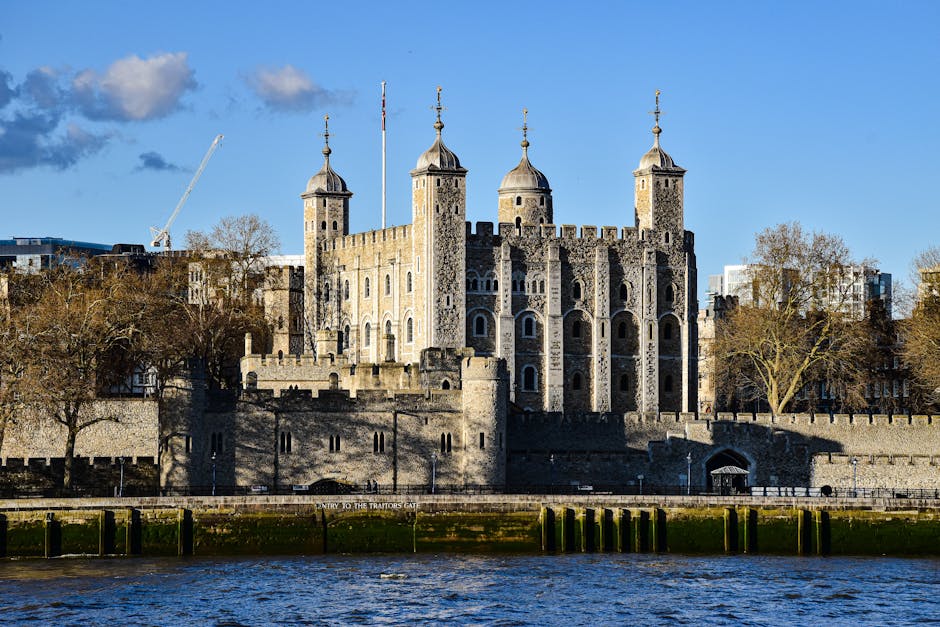
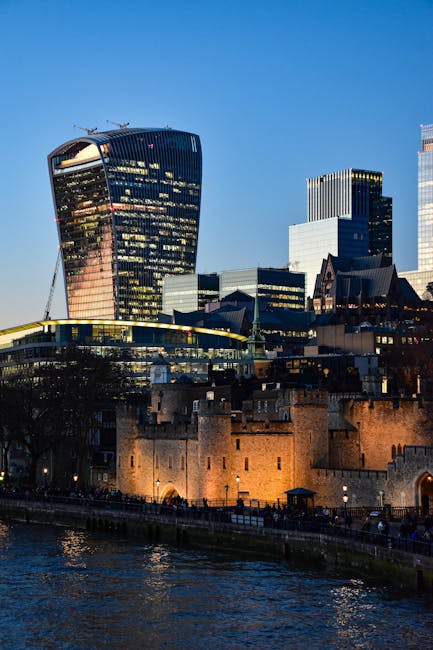
Tower Hill gardeners guide to planting near Tower of London
If you are planning to plant near the Tower of London, you are not just choosing flowers and shrubs. You are working in a very particular corner of central London, where exposed wind, compacted ground, shade from nearby buildings, heavy footfall, and occasional restrictions can all shape what survives and what thrives. This Tower Hill gardeners guide to planting near Tower of London is here to help you make sensible, beautiful choices without the trial-and-error headache. Whether you manage a private courtyard, a small front plot, a townhouse border, or a container scheme close to the historic site, the right planting plan can save time, money, and a fair bit of disappointment.
In our experience, the best results come from working with the location rather than fighting it. That means thinking about light, wind, soil, watering, access, maintenance, and even how the planting feels at street level. A good plan can look elegant in spring, still hold structure in winter, and not turn into a sad patch of leggy stems by August.
Below, you will find a practical, locally grounded guide with plant suggestions, methods, common mistakes, and a realistic step-by-step approach. And yes, we will keep it human.
Table of Contents
- Why planting near the Tower of London matters
- How planting near Tower of London works
- Key benefits and practical advantages
- Who this is for and when it makes sense
- Step-by-step guidance
- Expert tips for better results
- Common mistakes to avoid
- Tools, resources and recommendations
- Law, compliance, standards, or best practice
- Options, methods, or comparison table
- Case study or real-world example
- Practical checklist
- Conclusion
- Frequently asked questions
Why Tower Hill gardeners guide to planting near Tower of London Matters
Planting near the Tower of London is different from gardening in a quiet suburban back garden. You are dealing with a dense urban environment, often near roads, paved surfaces, and historic surroundings. That changes everything. Soil can be poor or shallow. Air flow can be harsh. Sunlight may shift through the day because of tall buildings. And if the planting is public-facing, it also needs to stay tidy, legible, and resilient.
This matters because the wrong planting choice can lead to avoidable failures: plants that scorch, flop, dry out too quickly, or become a maintenance burden. The right planting can do the opposite. It can soften stone and brick, guide movement, support biodiversity, and make a space feel calmer and more welcoming. Near a landmark like the Tower of London, good planting also needs to respect the setting. That usually means thoughtful structure, restrained colour palettes in some situations, and plants that look intentional rather than cluttered.
There is also a practical side. If a garden or frontage sits in a busy part of Tower Hill, people often want planting that will cope with regular attention, weather stress, and occasional neglect. To be fair, that is most urban gardens in one form or another. The difference here is that the setting asks for a slightly more disciplined approach.
If you are still shaping a larger outdoor scheme, it can help to look at broader support too, such as professional gardening services or ongoing garden maintenance when the planting needs consistent care through the seasons.
How Tower Hill gardeners guide to planting near Tower of London Works
Good planting near the Tower of London starts with site reading. That sounds technical, but it really means standing in the space and noticing what is actually happening there. Where does the light fall? Which wall reflects heat? Where does wind funnel through? Does rain puddle or drain fast? Is there a patch that stays shaded and a spot that dries out at lunchtime? These small details decide which plants will thrive.
The process usually works in layers:
- Site conditions first - light, shade, exposure, soil depth, drainage, and access.
- Function second - privacy, screening, colour, texture, pollinator value, or low maintenance.
- Plant choice third - only then do you pick species and varieties.
- Aftercare always - watering, mulching, feeding, pruning, and winter protection where needed.
That order matters because urban planting can fail when people choose a plant for appearance alone. A glossy photo of a flowering border is lovely, but it does not tell you much about wind tolerance or root space. Truth be told, a beautiful plant in the wrong spot is just an expensive disappointment.
Near Tower Hill, the best candidates are usually hardy, adaptable, and able to look good for more than one season. That often includes ground covers, evergreen climbers, compact shrubs, ornamental grasses, herbs in containers, and a few statement perennials. If you need ideas for low-growing planting, the guide on ground cover plants for UK gardens is especially useful because low spreads can hold soil, reduce weeds, and keep edges neat.
Key Benefits and Practical Advantages
Planting well near the Tower of London offers more than just visual appeal. It can improve how the space works day to day.
1. Better resilience in a demanding location
Urban planting needs to withstand more than average weather pressure. Reflected heat, gusts of wind, and drying conditions are common. Choosing resilient plants means fewer losses and fewer emergency replacements.
2. A more polished look in a historic setting
Near heritage architecture, planting should feel deliberate. Strong structure, repeated forms, and a balanced palette can help a small garden or frontage look calm instead of busy.
3. Lower maintenance over time
Once the wrong plants are removed and the right ones are established, the maintenance load often drops. That is good news if the space must stay presentable with limited attention. For homes and managed sites alike, this often works best when combined with lawn care support or regular hedge trimming where structure matters.
4. More seasonal interest
A thoughtful planting plan can give you flowers, foliage, fruit, fragrance, and winter structure. You do not have to rely on one short burst of colour in May and then hope for the best.
5. Better use of small spaces
Many Tower Hill plots are compact. Containers, vertical planting, and layered borders let you work with limited square footage without making the area feel cramped.
One small but important advantage: good planting can make a space feel quieter. Not physically quieter, of course. The traffic is still there. But visually calmer. That matters more than people think.
Who This Is For and When It Makes Sense
This guide is for anyone making planting decisions near the Tower of London, especially if the space sits in Tower Hill or a nearby central London street with mixed shade, wind, and hard landscaping. It suits:
- homeowners with front gardens, courtyards, or narrow borders
- landlords who want a low-fuss but attractive finish
- managers of communal spaces or visitor-facing entrances
- busy people who want plants that do not demand constant rescue missions
- new gardeners who need a clear starting point
It also makes sense if your current planting is failing in predictable ways: drying out too quickly, growing too tall, collapsing in rain, or looking patchy after winter. If you are just getting started, it may help to read practical beginner gardening tips before making big decisions. A little groundwork saves a lot of muddle.
When does this guide become especially useful? Usually when you are:
- refreshing a tired border
- trying to soften hard paving or fencing
- choosing plants for a shady or windy corner
- designing a container scheme for a terrace or entrance
- needing planting that stays smart without constant replanting
Step-by-Step Guidance
Here is a straightforward way to approach planting near the Tower of London without overcomplicating it.
- Map the light and exposure. Watch the space at different times of day. Morning shade and afternoon sun are not the same thing, and London buildings can create surprising pockets of both.
- Check the soil and root space. If the area is shallow, compacted, or built over, do not fight it with thirsty, deep-rooted plants that need more than the site can give.
- Decide the purpose. Is this for privacy, colour, wildlife, scent, or simple neatness? The answer should narrow the plant list fast.
- Choose a structure first. Start with evergreen shrubs, climbers, or ornamental grasses that hold the design together year-round.
- Add supporting plants. Fill gaps with perennials, grasses, ground cover, or herbs.
- Group in repeat patterns. Repetition creates calm. A few plants repeated well usually looks better than a jumble of one-offs.
- Mulch and water properly. Newly planted areas need moisture management. Mulch helps keep the roots steadier and the soil less frantic.
- Review after the first season. Some plants will surprise you, in a good way or a slightly irritating way. Adjust rather than stubbornly pretending the original plan was perfect.
If the space is small or awkward, container planting is often the most flexible option. A good container scheme can be moved, reshaped, or refreshed without digging up the whole area. For a deeper look, see how container gardening can solve difficult site problems.
Planting ideas that usually perform well in this kind of setting
- Ground cover: useful where you need weed suppression, edge softening, and moisture retention.
- Evergreen climbers: ideal for walls, fences, and screens where year-round coverage matters.
- Compact hedging: helpful for structure and privacy without taking over the whole plot.
- Herbs: good in sunny pockets, containers, or raised areas where fragrance and utility are welcome.
- Shade-tolerant plants: necessary where buildings or walls limit direct sun.
For shaded walls or awkward vertical surfaces, evergreen climbers for shaded corners can be a real lifesaver. They add life without stealing precious ground space.
Expert Tips for Better Results
Here is where a lot of ordinary planting plans either level up or quietly fail. A few small decisions make a bigger difference than most people expect.
Use fewer species, but use them better
Three or four well-matched species repeated across the space will usually outperform a long list of random plants. It looks calmer, and frankly, it is easier to maintain.
Think in layers
A successful planting scheme near the Tower of London often has three levels: low ground cover, middle shrubs or perennials, and a vertical or structural layer. That layering stops the design from feeling flat.
Prefer texture over excess colour
In a busy urban setting, too many bright colours can feel noisy. Leaf shape, foliage tone, and repeat structure often create a more elegant result.
Protect young plants from the first winter
Even hardy species may struggle before they are established. Winter protection is not being precious; it is just good gardening. If you want more detail, winter plant protection advice is worth reading before temperatures drop.
Plan for wind from the start
Wind can shred leaves, dry soil, and lean stems. Low, dense planting and proper staking where needed help. In exposed spots, the piece on taming windy conditions in gardens offers a sensible framework.
Do not ignore maintenance access
Plants that look perfect when young can become awkward if you cannot reach them to prune or water. Always leave access. It sounds obvious. People still forget.
Choose plants that earn their place
Every plant should do at least one job well. Better if it does two. A lavender, for example, may offer scent, pollinator value, and structure. A climber may provide privacy and soften hard walls. That is the sort of efficient thinking that works in tight London spaces.
Common Mistakes to Avoid
Let's be honest: most planting problems near Tower Hill come from a handful of avoidable choices.
- Picking plants for photos rather than site conditions. A plant can look wonderful online and still hate your garden.
- Ignoring root restrictions. Small planting pockets and built surfaces limit what can survive long term.
- Overcrowding at planting time. It feels lush at first, then turns into competition and disappointment.
- Forgetting seasonal change. A garden that only works in June is not really finished.
- Using thirsty plants in dry spots. That just creates constant watering needs.
- Skipping soil improvement. Even a modest amount of compost or organic matter can make a very real difference.
- Neglecting wind and shade. These two factors are the quiet troublemakers in central London planting.
Another common issue is mixing too many styles. A formal frontage, cottage-style border, and tropical container display can all be lovely on their own, but together they can look confused. Unless you are deliberately going eclectic, keep the language of the planting consistent.
If the site has suffered from years of patchy upkeep, it may be worth starting with a reset rather than endless patch repairs. The guide on restoring neglected gardens is a useful companion piece.
Tools, Resources and Recommendations
You do not need a van full of specialist kit to plant well. But the basics matter, and they make the job cleaner and less frustrating.
Useful tools
- hand trowel for planting and transplanting
- pruning shears for shaping and deadheading
- watering can or hose with controlled flow
- garden fork for loosening compacted soil
- mulch or compost for improving moisture retention
- gloves and kneeling pad, because knees do notice
Useful planning resources
- a simple sketch of the planting area
- notes on sunlight and shade through the day
- a list of plants that suit your soil and exposure
- a maintenance calendar for watering, pruning, and feeding
- photographs taken at different times of year
For confident planting and upkeep, a good-quality tool set can save time. If you are building from scratch or tidying an overgrown area, the article on essential gardening tools is a practical place to start.
Helpful service support
Some projects are simply too large or too fiddly to tackle in one go. If you are working on surrounding elements as well, it may help to look at landscaping support, tree surgery where canopies affect light, or fencing if you are trying to create a better backdrop for planting. Small improvements around the planting area can have a surprisingly big visual effect.
Law, Compliance, Standards, or Best Practice
Near a landmark area such as Tower Hill, it is sensible to be careful about what you plant, where you plant, and how the work is carried out. The exact requirements depend on the property, the land status, and whether the planting is private, communal, or adjacent to public space. So this is one of those areas where a cautious approach is better than a bold assumption.
Good practice usually includes:
- checking ownership and permissions before altering shared or boundary planting
- avoiding root spread or overhanging growth that could create access issues
- making sure new planting does not block sightlines or cause trip hazards
- using safe methods for lifting, pruning, and working at height
- keeping access paths and entrances clear during establishment
If the planting is near pathways, seating areas, or entrances, think about how people actually move through the space. A beautiful bed that forces everyone to squeeze awkwardly around it is not a win. It just becomes something people walk past, a bit resentfully.
For broader reassurance on safe working and service expectations, it can help to review health and safety policy information and insurance and safety guidance. If you are arranging paid work, the pages on terms and conditions and payment and security are also worth a look, simply so expectations are clear from the outset.
Best practice, in plain English, means planting in a way that is safe, maintainable, and suitable for the place. Nothing fancy. Just well judged.
Options, Methods, or Comparison Table
Different spaces near Tower Hill call for different planting methods. Here is a simple comparison to help you choose.
| Method | Best for | Strengths | Trade-offs |
|---|---|---|---|
| Border planting | Frontages, walls, small garden edges | Natural look, good layering, can soften hard lines | Needs enough soil depth and some regular care |
| Container planting | Terraces, entrances, paved areas | Flexible, easy to refresh, ideal for poor ground | Dries out faster and needs more watering |
| Vertical planting | Walls, fences, narrow plots | Saves space, adds privacy, improves height and interest | Needs good support and pruning |
| Ground cover scheme | Shaded or awkward spaces, weed-prone areas | Suppresses weeds, protects soil, tidy finish | Takes time to knit together |
| Mixed layered scheme | Most urban gardens | Flexible, balanced, visually rich | Needs more planning up front |
In many Tower Hill settings, a mixed layered scheme works best because it adapts to the space rather than forcing the space to adapt to one idea. If privacy is part of the brief, quick-growing hedge ideas can help, while a compact seating zone can be shaped with advice from cozy garden seating area planning.
Case Study or Real-World Example
A typical Tower Hill planting project might begin with a small paved courtyard behind a town property. The space is bright in one corner, shaded in another, and gets a bit of wind across the top. The owner wants greenery, but not a jungle. They also want the garden to look good from the kitchen window, which is fair enough.
The first move would be to split the space into functional zones. A sunny side might take containers of herbs and compact perennials. The shaded wall could support an evergreen climber. The middle section might use a low, reliable ground cover to stop the paving edges from feeling harsh. A pair of matching containers would create rhythm and help the whole thing feel intentional.
What usually makes the difference is not a rare plant or a dramatic design trick. It is repetition, restraint, and choosing plants that match the conditions. One or two taller structural plants, some softer underplanting, and a small amount of seasonal colour is often enough. The result feels settled rather than crowded.
That sort of approach also works for families. If a planting space needs to cope with daily life, pets, or children nearby, the advice in pet-friendly garden planning and garden ideas for young explorers can help shape a safer, more usable layout. Because let's face it, a garden has to be lived in, not just admired.
Practical Checklist
Use this checklist before planting near the Tower of London:
- Have I checked light, shade, and wind exposure through the day?
- Do I know whether the soil is shallow, compacted, or free-draining?
- Is the main goal privacy, colour, screening, wildlife, or low maintenance?
- Have I chosen plants suited to central London conditions?
- Do I have at least one structural evergreen element?
- Have I included ground cover or another weed-suppressing layer?
- Is there enough room for the plants to reach mature size?
- Do I have a watering plan for the first season?
- Will I be able to access the planting area for pruning and care?
- Have I considered winter protection for young or tender plants?
- Does the design feel calm and consistent rather than overcrowded?
- Do I know who is responsible for maintenance if the site is shared?
If you can tick most of those off, you are in a much stronger position than most people start from. Seriously. Half the battle is simply being clear before you dig.
Conclusion
Planting near the Tower of London is a special kind of urban gardening. It asks for practicality, restraint, and a bit of patience, but the reward is a space that feels alive, settled, and suited to its surroundings. When you choose plants that match the site, keep the structure simple, and plan for aftercare, the results are usually far better than a rushed seasonal refresh.
The main lesson from this Tower Hill gardeners guide to planting near Tower of London is straightforward: start with the conditions, then build a planting scheme that can handle them. That is how you get a garden that looks good in real life, not just on the day it is planted.
If you are planning a new border, refreshing a courtyard, or improving planting near a historic central London property, a careful conversation at the beginning can save a lot of wasted effort later. You do not need to get everything perfect first time. You just need to get the essentials right and keep moving.
Get a free quote today and see how much you can save.
Sometimes the best gardens are the ones that feel quietly confident, even on a windy day in March.
Frequently Asked Questions
What is the best planting approach near the Tower of London?
The best approach is usually layered and resilient: start with structural evergreen plants, add reliable perennials or shrubs, and use ground cover or containers where soil or space is limited. The site conditions should always guide the plant list.
Which plants cope best with Tower Hill conditions?
Hardy, adaptable plants usually perform best. Think of evergreen climbers, low-maintenance shrubs, tough ground cover, and compact plants that can handle wind, shade, and occasional dryness. The exact selection depends on your light levels and soil.
Can I use container plants near Tower Hill?
Yes, and in many cases containers are one of the smartest options. They are ideal for paved areas, entrances, and compact spaces where the ground is poor or access is tight. Just remember that containers dry out faster and need more attention in hot weather.
How do I stop plants drying out in central London?
Use mulch, choose drought-tolerant plants where possible, and water deeply rather than a little and often. Grouping plants with similar water needs also helps. Containers will need extra monitoring in summer, especially in wind.
Do I need permission to plant near a historic area?
That depends on the property, ownership, and whether the planting affects shared or public-facing areas. If you are unsure, check before making changes. It is always better to confirm boundaries and responsibilities first.
What is the biggest mistake people make with urban planting?
Choosing the wrong plant for the site is the big one. People often fall for appearance and ignore wind, shade, root space, and maintenance needs. The second mistake is overcrowding, which looks good for a month and then becomes chaos.
How often should newly planted areas be watered?
New planting needs consistent moisture while roots establish, especially in the first growing season. The exact frequency depends on the weather, soil, and plant type, so check the soil rather than watering on autopilot.
What if my garden is mostly shade near the Tower?
Shade is not a dead end. It just means you need shade-tolerant plants and probably a different texture strategy. Evergreen climbers, ground cover, and leaf shape become more important than bright flower colour alone.
Is maintenance important after planting?
Absolutely. Even the best planting scheme needs pruning, watering, weeding, and seasonal tidying. A little ongoing care keeps the design readable and prevents strong plants from swallowing the rest.
Can planting improve privacy in a small Tower Hill garden?
Yes. Compact hedges, climbers on supports, and layered shrubs can create screening without making the space feel boxed in. For small gardens, vertical structure is often more efficient than trying to fill every inch of ground.
How do I make a planting scheme look elegant rather than busy?
Use repetition, limit the number of species, and pay attention to foliage texture as much as flower colour. A restrained palette often looks more sophisticated in a central London setting, especially near historic architecture.
Should I hire help for planting near the Tower of London?
If the space is awkward, exposed, shared, or part of a larger upkeep plan, help can be a sensible choice. It is especially useful when you need planting, access, soil improvement, and maintenance to work together instead of as separate jobs.